05:00
Summarizing Numerical Data
Why are measures of spread so important? Consider the following question.
There are two new food delivery services that open in Berkeley: Oski Eats and Cal Cravings. A friend of yours that took Stat 20 collected data on each and noted that Oski Eats has a mean delivery time of 29 minutes and Cal Cravings a mean delivery time of 27 minutes. However, one is more predictable than the other….
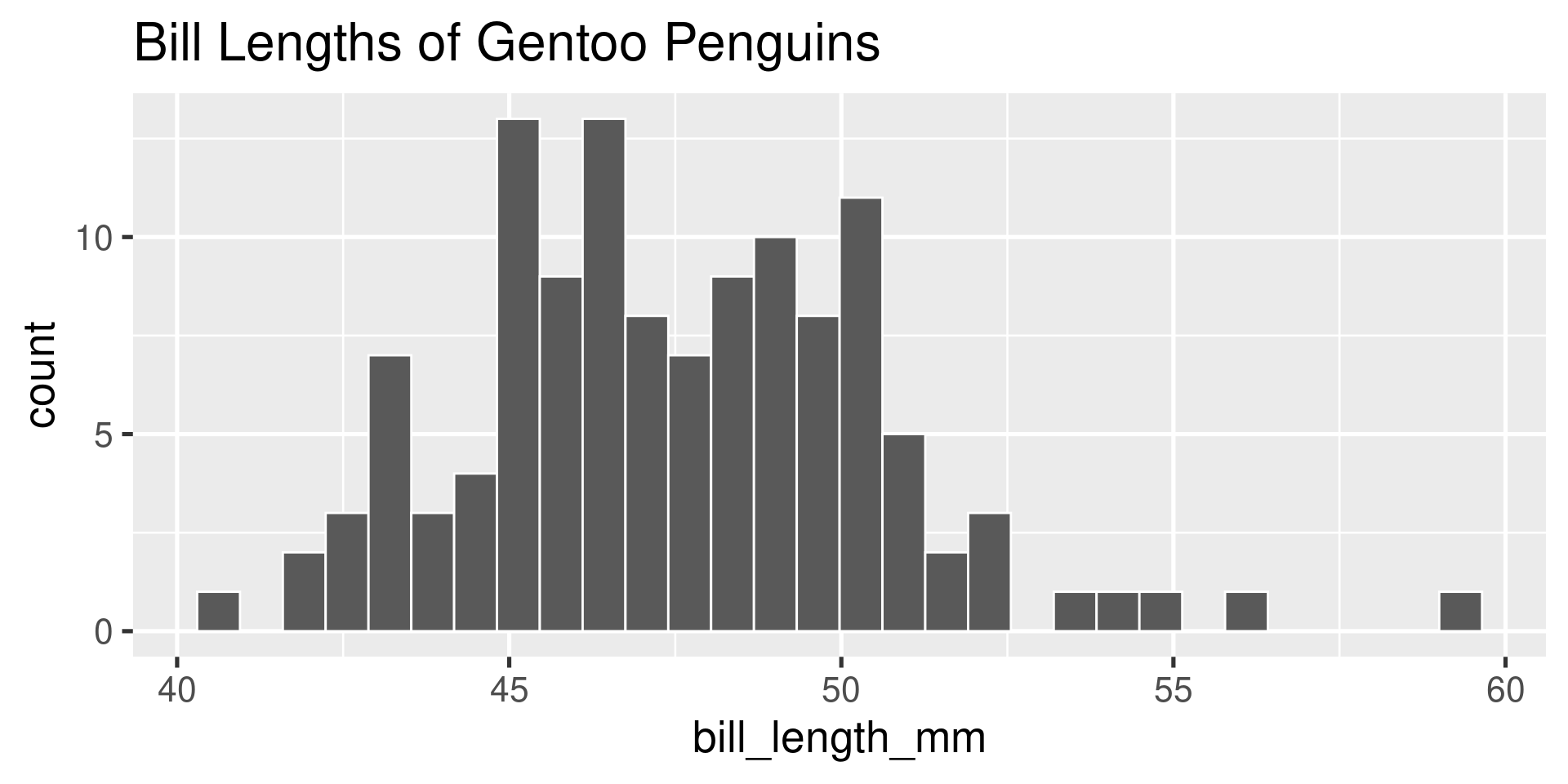
So: which would would you rather order from, and why? Debate with your group.
Important Quiz information
- Students absolutely need to come with their Cal ID or have their government ID as a backup. You can’t just pull yourself up on calcentral - that will NOT be accepted as ID.
- WHO HASN’T REGISTERED FOR THE QUIZ YET? Do it today, once we move to worksheet time. Tell your instructor immediately if you have issues so we can fix it on the spot.
Enrollment link if you need it: